
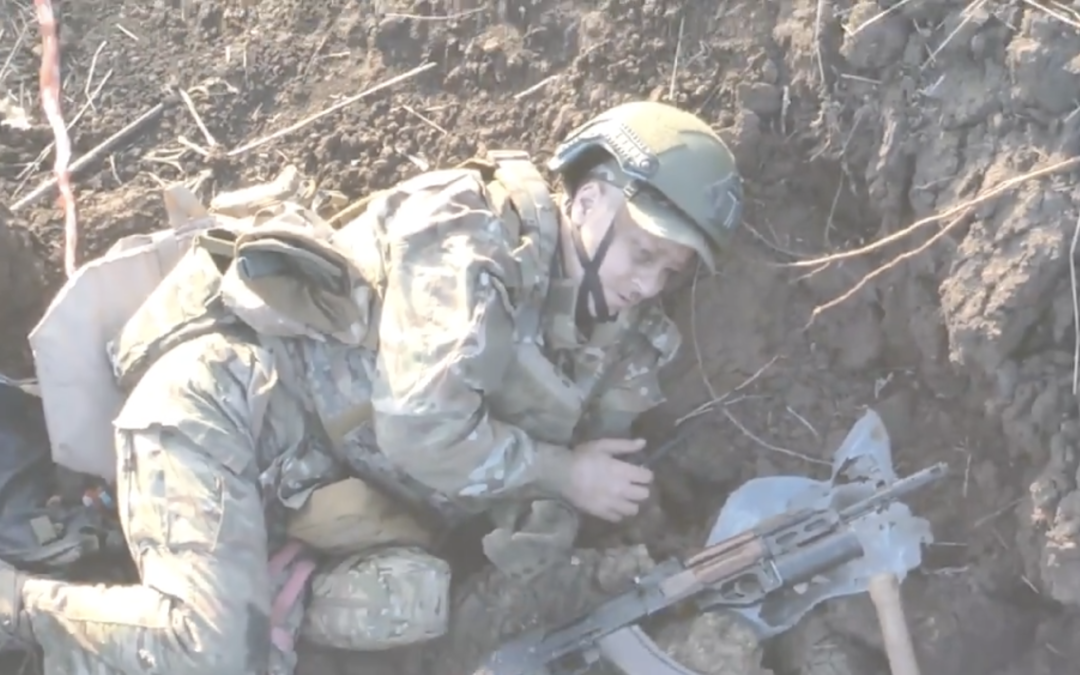
The ongoing conflict between Russia and Ukraine has been a source of immense human suffering and psychological strain. Amidst the brutal realities of warfare, a distressing trend has emerged: the increasing incidence of suicides among Russian soldiers. Recently, another harrowing video surfaced, depicting a Russian soldier taking his own life. This tragic event has once again highlighted the severe mental health crisis facing troops on the frontlines.
The Psychological Toll of War
Warfare exerts a profound psychological toll on those who are directly involved. The constant exposure to violence, fear, and loss can lead to severe mental health issues such as depression, anxiety, and post-traumatic stress disorder (PTSD). For many soldiers, the cumulative effect of these stressors becomes unbearable.
Lack of Support and Resources
One of the critical factors contributing to the high rates of suicide among Russian soldiers is the lack of adequate mental health support and resources. Many soldiers do not have access to proper psychological counseling or psychiatric care. The stigma surrounding mental health issues within the military further exacerbates the problem, discouraging soldiers from seeking help.
Harsh Conditions and Command Issues
In addition to the psychological strain of combat, many Russian soldiers face harsh living conditions and poor treatment from their superiors. Reports indicate that some units suffer from a lack of basic necessities such as food, clean water, and medical supplies. Furthermore, abusive or negligent command structures can create an environment of hopelessness and despair, pushing soldiers to the brink.
The Latest Tragedy
The recent video of a Russian soldier committing suicide is a stark reminder of these ongoing issues. While the specifics of the soldier’s situation remain unclear, the broader context of widespread mental health struggles and inadequate support systems is evident. Each of these tragic events represents not just a personal loss but also a failure of the military system to protect its own.
The Need for Urgent Action
Addressing this crisis requires immediate and comprehensive action. The Russian military must prioritize the mental well-being of its soldiers, implementing robust support systems and ensuring that mental health services are readily available and accessible. Additionally, creating an environment where soldiers feel safe to express their struggles and seek help without fear of stigma or retribution is crucial.
Conclusion
The ongoing conflict continues to devastate lives, not only through direct combat but also through the hidden wounds it inflicts on those who serve. The recent video of another Russian soldier taking his own life is a tragic reminder of the urgent need to address the mental health crisis within the military. Providing adequate support, resources, and a compassionate environment for soldiers is not only a moral imperative but also essential for the overall effectiveness and humanity of any military force.