
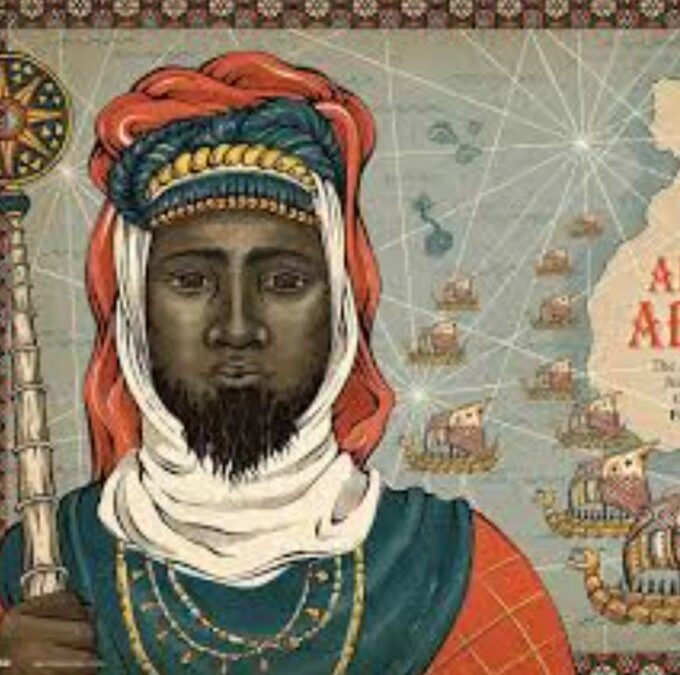
Mansa Musa (1280-1337) reigned as the leader of the Mali Empire during the 14th century and is renowned as possibly the wealthiest individual in history, boasting an estimated net worth of around $400 billion when adjusted for inflation.
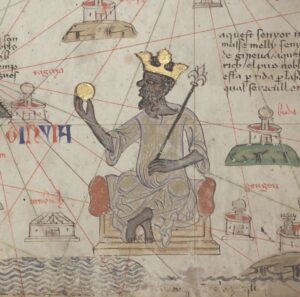
In the image above, you can witness Musa grasping a golden coin from the Catalan Atlas, a medieval map fashioned in 1375. Swipe left to explore the entire map.
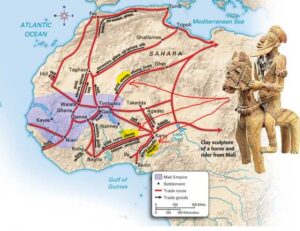
Musa’s enduring fame is largely attributed to his awe-inspiring pilgrimage to Mecca, which unfolded between 1324 and 1325. Accompanying him were an entourage of 60,000 men, each adorned in sumptuous Persian silk attire. Along with these travelers, he transported a staggering 4 pounds of gold. As if that weren’t enough, Musa brought a convoy of 80 camels, each laden with 50 to 100 lbs (23-45 kg) of gold dust.
During this remarkable journey, Musa displayed remarkable generosity by bestowing gold upon the destitute and hosting a daily banquet to nourish the hungry. His benevolence knew no bounds, and he distributed so much gold that, inadvertently, he precipitated a 10-year gold recession in the cities of Cairo, Medina, and Mecca. Recognizing the repercussions of his actions on his return, he attempted to ameliorate the situation by borrowing substantial sums of gold from moneylenders in Cairo, albeit at exorbitant interest rates.
Musa’s opulent wealth derived primarily from Mali’s role as a primary supplier of half of the world’s salt and gold. He astutely invested his riches in the advancement of architecture and education, propelling Mali into the status of a global superpower, a position it held well into the Middle Ages. Some historians even speculate that had Europeans ventured to Africa during Musa’s era, as opposed to five centuries later, it might have fostered a more equitable relationship between the two continents.