
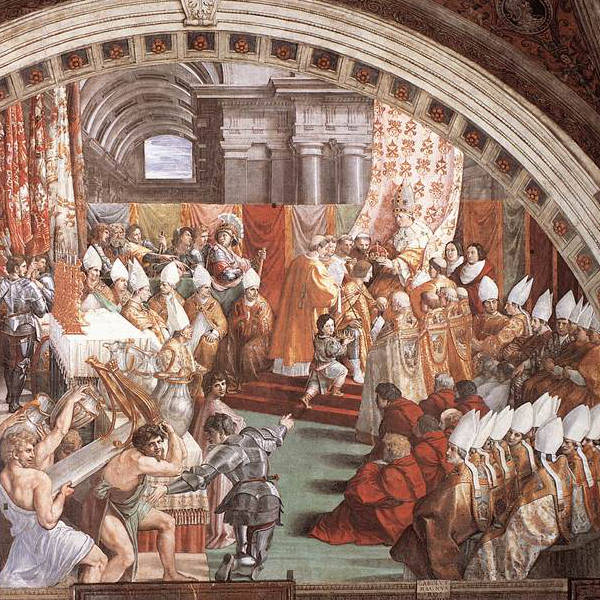
The Rise of the Carolingian Empire
The Carolingian Empire stands as a significant turning point in European history, marking an era of remarkable political, cultural, and intellectual achievements. Under the guiding hand of the Carolingian Dynasty, this empire flourished, establishing its dominance over vast territories. In this article, we delve into the fascinating story of the Carolingian Empire’s rise, tracing its origins from a small duchy to an unrivaled European power.
The Carolingian Dynasty: Building the Foundations of Power
The Carolingian Dynasty, led by Charles Martel and later his son, Pepin the Short, played a pivotal role in shaping the future empire. During the 8th century, the dynasty consolidated its rule over the Frankish Kingdom, expanding its influence through strategic alliances and military successes. Their reign marked a departure from the Merovingian Dynasty’s weak and fragmented rule, laying the groundwork for the rise of the Carolingian Empire.
The Expansion of the Carolingian Empire: Conquest and Consolidation
Under the legendary reign of Charlemagne, the Carolingian Empire reached its zenith. Charlemagne’s military prowess and diplomatic skills allowed him to forge alliances, defeat rival kingdoms, and expand the empire’s boundaries significantly. Through a series of successful campaigns, Charlemagne subjugated territories across Western Europe, including Italy, Bavaria, and Saxony, effectively establishing Carolingian hegemony.
Carolingian Renaissance: The Intellectual and Cultural Flourishing
Beyond its military might, the Carolingian Empire was renowned for its intellectual and cultural achievements. Charlemagne, a great patron of learning, initiated a period of revival known as the Carolingian Renaissance. The empire became a center for scholars and intellectuals who diligently preserved and translated ancient texts, fostering the growth of knowledge and laying the foundation for the development of European education.
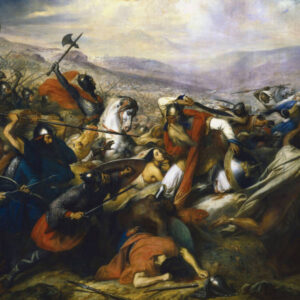
The Rise of Charles Martel and the Carolingian Empire
In the annals of history, few figures have left as profound a legacy as Charles Martel, the illustrious ruler of the Carolingian Empire. Born in the early 8th century, Charles Martel quickly rose through the ranks, eventually becoming the de facto leader of the Franks. His reign not only transformed the political landscape of Europe but also laid the groundwork for the legendary Carolingian Empire.
Defending Christendom: Charles Martel’s Triumph at the Battle of Tours
One of the defining events of Charles Martel’s reign was his remarkable victory at the Battle of Tours in 732. Facing an invading force of Muslim armies, Martel and his Frankish warriors stood as the last line of defense for Christendom. Despite being heavily outnumbered, they emerged triumphant, halting the advance of the Islamic forces and ensuring the survival of Christianity in Western Europe. This pivotal moment has been hailed as one of the most decisive battles in history.
The Carolingian Renaissance: Charles Martel’s Cultural and Intellectual Legacy
Beyond his military achievements, Charles Martel also played a key role in the cultural and intellectual renaissance that swept across Europe during the Carolingian era. Under his rule, educational institutions flourished, and the great works of classical literature were preserved and disseminated. This period of intellectual enlightenment laid the foundation for the later achievements of Charlemagne, Martel’s grandson, who would become one of the greatest rulers of the medieval period.
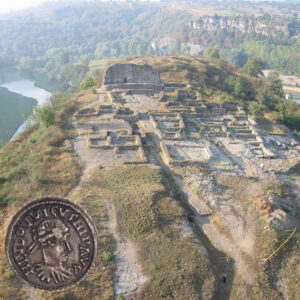
The Historical Evolution of Duchies
Introduction:
Duchies have played a significant role in shaping the political and social landscape of various regions throughout history. From their origins as feudal territories to their transformation into modern administrative units, the evolution of duchies is a fascinating journey that reflects the ever-changing dynamics of power and governance. In this article, we delve into the transformation of duchies, exploring their historical roots and the pivotal moments that have shaped their modern incarnation.
Section 1: Feudal Origins
– The emergence of duchies in medieval Europe
– The role of dukes as vassals and local rulers
– Feudal relationships and the hierarchical structure of governance
– Examples of prominent duchies during the Middle Ages
Section 2: Rise of the Nation-State
– The decline of feudalism and the rise of centralized nation-states
– The impact of the Renaissance and Enlightenment on political ideologies
– The consolidation of power by monarchies and the diminishing influence of duchies
– Case studies on duchies that adapted to the changing political landscape
Modern Administrative Units
Introduction:
While the historical significance of duchies as independent political entities has waned, their legacy continues to thrive in the form of modern administrative units. Today, duchies are often transformed into regions or states, serving as vital components of governance structures worldwide. In this section, we explore the modern transformation of duchies and their relevance in contemporary politics.
Section 1: Duchies as Administrative Divisions
– The transition of duchies into administrative regions
– The role of duchies in decentralized governance systems
– Examples of countries or regions where duchies continue to exist in administrative roles
Section 2: Cultural and Touristic Significance
– The cultural heritage of duchies and their impact on local identities
– The preservation of historical landmarks and architectural treasures within former duchies
– The role of duchies in promoting tourism and attracting visitors
Conclusion:
The transformation of duchies from feudal territories to modern administrative units is a testament to the adaptability of political systems throughout history. While their original political power has diminished, the legacy of duchies lives on in the form of administrative divisions and cultural heritage. Understanding the historical evolution of duchies allows us to appreciate their significance and contribution to the fascinating tapestry of human history.